Churches
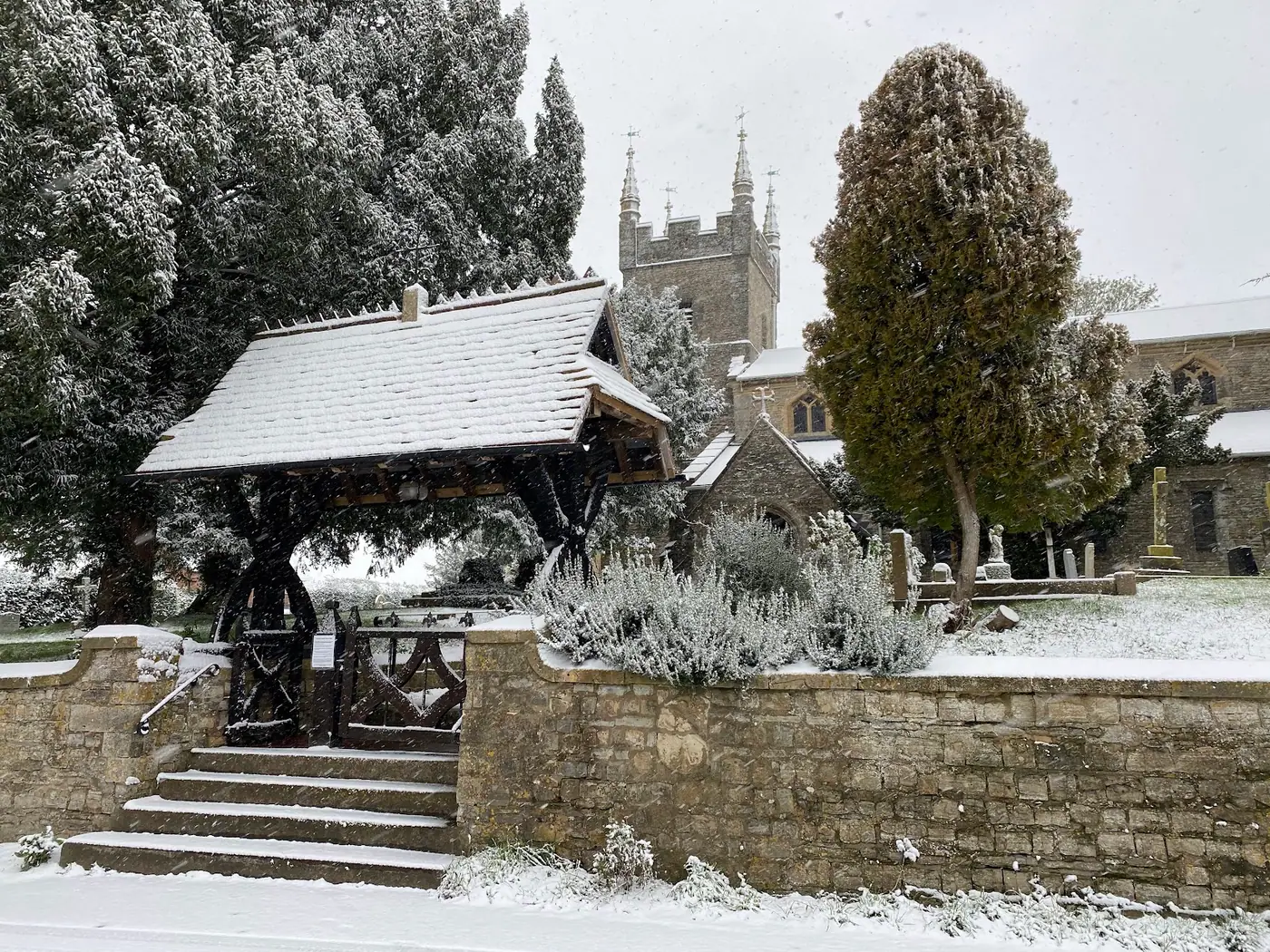
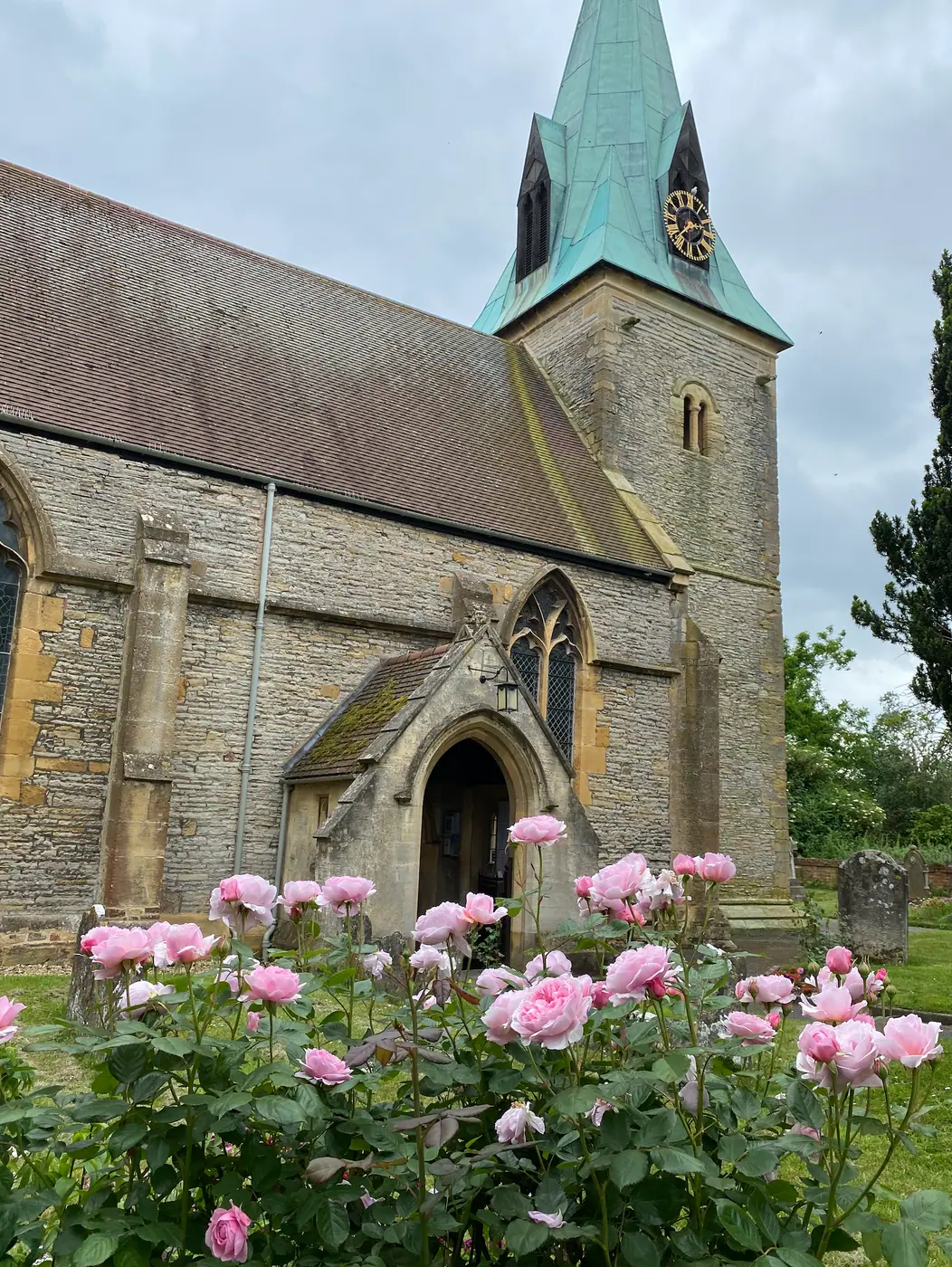
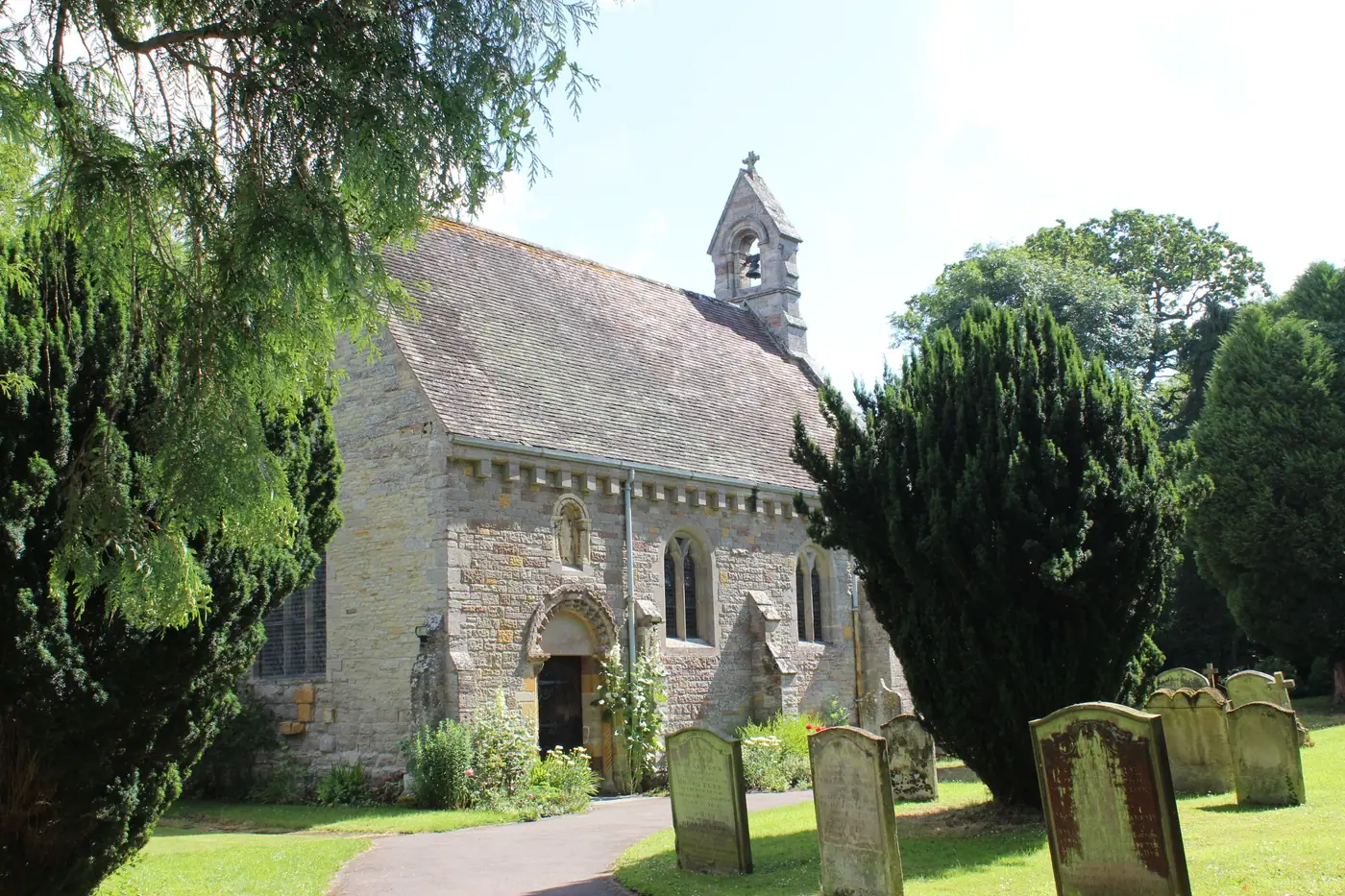
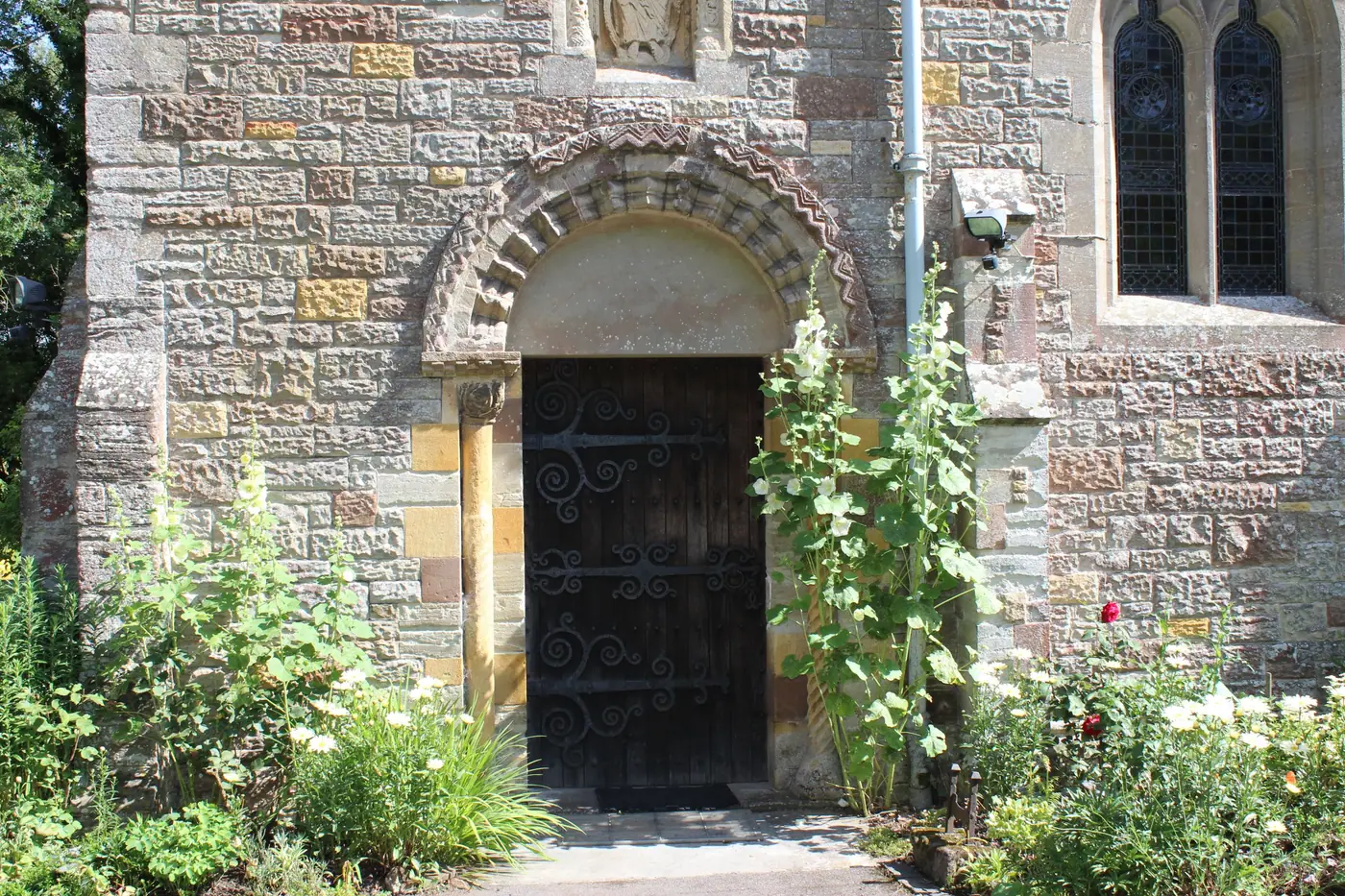
The Lenches and their neighbours are served by the ARCH Benefice, named after the parishes of Abbots Morton, Rous Lench, Church Lench and Harvington, which were brought together in 2001 within the Diocese of Worcester. Its churches are All Saints', Church Lench; St Peter's, Rous Lench; St James the Great, Harvington; St Peter's, Abbots Morton; and St Egwin's at Norton & Lenchwick, which shares the rota though the parish formally sits in the Evesham benefice. Several other congregations are a short drive away in Evesham.
All Saints' stands at the top of the hill with one of the best views in Worcestershire, looking west towards the Malverns. St Peter's at Rous Lench is unusual in having two pulpits and no fixed pews, so the space can be used flexibly.
Service times
Services rotate around the churches, so the pattern changes from week to week. A midweek Eucharist is held every Wednesday at 11am at St James the Great, Harvington. From the ARCH Messenger, October 2026.
Each Sunday's readings link to the NRSV (Anglicised) on Bible Gateway; tap one to read it.
October 2026
Sunday, 18 October 2026
20th Sunday after Trinity
Readings and notes: Isaiah 45:1–7, Psalm 96:1–9, 1 Thessalonians 1:1–10, Matthew 22:15–22
Or, for Harvest: Deuteronomy 8:7–18, Psalm 65, 2 Corinthians 9:6–end, Luke 12:16–30
Eucharist
Church
Holy Communion
Harvest service
Sunday, 25 October 2026
Last Sunday after Trinity
Readings and notes: Leviticus 19:1–2,15–18, Psalm 1, 1 Thessalonians 2:1–8, Matthew 22:34–end
Or, for Harvest: Deuteronomy 8:7–18, Psalm 65, 2 Corinthians 9:6–end, Luke 12:16–30
Church
Eucharist
Harvest Eucharist
Church
Messy Church (at the village hall)
November 2026
Sunday, 1 November 2026
All Saints
Readings and notes: Revelation 7:9–end, Psalm 34:1–10, 1 John 3:1–3, Matthew 5:1–12
Church
Eucharist
Church
All Souls service
Holy Communion (BCP)
Monday, 2 November 2026
All Souls' Day
Tree of Light service
Sunday, 8 November 2026
Remembrance Sunday
Remembrance Eucharist
Remembrance
Remembrance
Remembrance
Benefice Eucharist
Sunday, 15 November 2026
Safeguarding Sunday
Readings and notes: Zephaniah 1:7,12–end, Psalm 90:1–8, 1 Thessalonians 5:1–11, Matthew 25:14–30
Church
Church
Holy Communion (BCP)
Sunday, 22 November 2026
Christ the King
Readings and notes: Ezekiel 34:11–24, Psalm 95:1–7, Ephesians 1:15–end, Matthew 25:31–end
Holy Communion (BCP)
Eucharist
Eucharist
Church
Sunday, 29 November 2026
Advent Sunday
Readings and notes: Isaiah 64:1–9, Psalm 80:1–8, 1 Corinthians 1:3–9, Mark 13:24–end
Eucharist
Eucharist
Eucharist
Advent reflection (cakes and hot drinks at the village hall from 5.30pm)
Other congregations in Evesham
Evesham Unitarians
Oat Street Chapel, Oat Street, Evesham WR11 4PJ. Sunday gatherings at 11am. There is a hearing loop and an accessible toilet, and the chapel conducts same-sex weddings.
The building is a genuine curiosity — a remarkable survivor tucked back from the street behind the modern town centre. The hall is hired out to groups promoting dignity and respect for all, regardless of belief, gender, ability or sexual orientation.
Evesham Methodist Church
71 Bridge Street, Evesham WR11 4SF · 01386 442380. Sunday morning worship at 10.30am, with a midweek communion on Wednesdays and a shoppers' service on Fridays.
Part of the South Worcestershire Methodist Circuit, and recognised as a Church of Sanctuary.
How Methodists and Unitarians differ from the Church of England
Methodism grew out of the Church of England rather than against it. John Wesley lived and died an Anglican priest, and the separation only came after his death. Doctrinally the two remain close; the real differences are structural. There are no bishops — authority sits with the annual Conference and the local circuit, which is why one minister covers several churches and lay preachers lead many services. Methodism has historically been strong on personal conversion, hymn-singing and social action, and was traditionally teetotal, which is why you will often find non-alcoholic communion wine.
Unitarians are a different proposition altogether. They descend from English Dissenters who rejected the doctrine of the Trinity — hence the name — and they hold no binding creed. Members are not required to affirm any particular belief about God or Jesus, and congregations today include Christians, humanists and people drawing on other traditions. Each congregation governs itself entirely. Unitarians were legally persecuted until the Doctrine of the Trinity Act of 1813, which is part of why chapels like Oat Street are often tucked down side streets rather than facing the market square.
These details are gathered from published sources and may not be complete. We'd welcome hearing directly from the churches so we can keep this page accurate — please email website@thelenches.org.uk.
The Thursday newsletter
Free, and sent every Thursday morning. To join, email website@thelenches.org.uk and ask to be added.
Unsubscribe any time · Privacy policy